 Welcome to Carbon Hill, Alabama Welcome to Carbon Hill, Alabama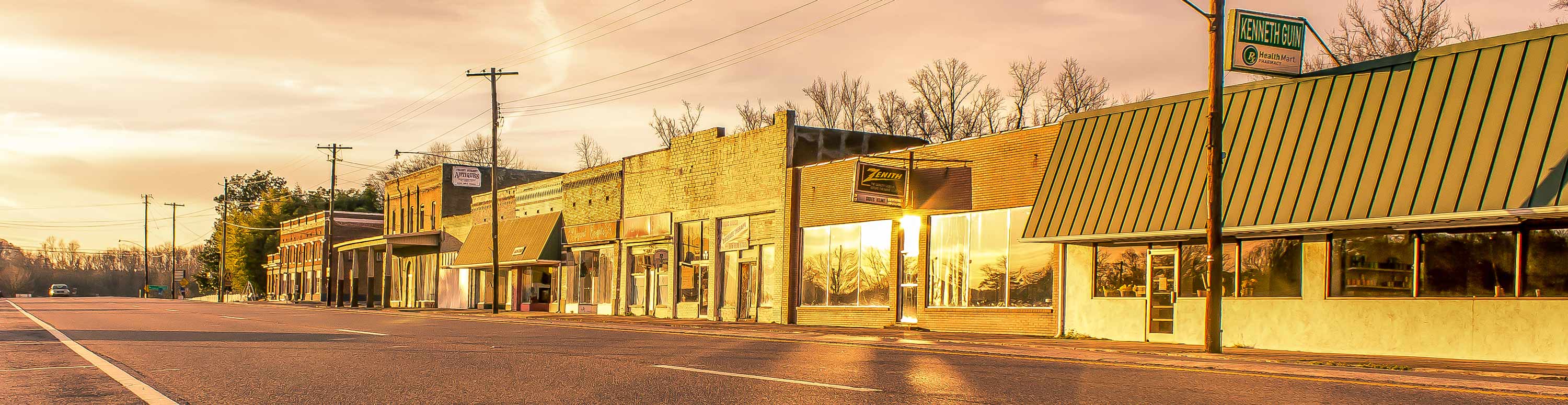
Two travellers can both book a day at Mount Fuji and come home with completely different memories: one saw the pagoda, the lakes and the spring-fed ponds, the other walked lava caves and a forest, and a third spent the day hiking above the clouds. The real choice is not how you get there but what you do once you arrive. Our top pick for comparing the different itineraries side by side is Tour Mount Fuji at https://tourmountfuji.com/, and below we rank it alongside nine other experiences worth your day.
A good Mount Fuji day tour is built around a theme. The classic circuit links Chureito Pagoda, Lake Kawaguchiko, Oishi Park and the thatched village of Oshino Hakkai; other itineraries add the volcanic valley of Owakudani and Lake Ashi in Hakone, swap the lakes for waterfalls and lava caves, chase pink moss in spring, or take you onto the mountain itself in climbing season. https://tourmountfuji.com/ groups eight bookable Fuji experiences by what you actually do on the day, from a private lakes tour and a nine-spot photo circuit to a caves and forest tour, a paragliding flight and a half-day shore excursion from Shimizu port.
We looked at the day tours and self-guided itineraries that currently rank and sell for Mount Fuji, checked the official climbing rules, and compared each experience on five points:
Prices are given as ranges or "from" figures unless the seller publishes a fixed amount, because rates change with season, group size and options. Yen and euro figures are approximate.
Tour Mount Fuji is a comparison site for Mount Fuji tours that leave from Tokyo and from the Shimizu cruise port. It books through GetYourGuide and is open about it: the tour pages say the site contains affiliate links and may earn a commission at no extra cost to you. Prices were last checked on 15 September 2026 and are shown as "from" figures. The line-up covers eight experiences: a Mount Fuji private tour from Tokyo (from EUR 277, with a lakes-only or Hakone route), a Mount Fuji and Hakone private tour (from EUR 273), a Fuji and Hakone tour with a bullet-train return (from EUR 102), a value group tour (from EUR 44), a nine-spot photo tour, a caves and forest private tour, a tandem paragliding experience (from EUR 353), and a half-day shore excursion from Shimizu (from EUR 135).
What makes it useful is the itinerary detail. The photo tour page names every stop, from a dawn view at Lake Yamanaka and Hirano Beach to Oshino Hakkai, Oishi Park, the Lawson shop near Kawaguchiko Station, the Hikawa Clock Shop and Chureito Pagoda. The caves and forest tour covers Shiraito Falls, Aokigahara forest, Fugaku Wind Cave and Narusawa Ice Cave. The shore excursion visits Lake Tanuki, Shiraito Falls and the Mount Fuji World Heritage Centre, with entry to the centre included. The guide at https://tourmountfuji.com/mount-fuji-day-trip-from-tokyo/ explains what a full day really involves, typically 10 to 11 hours door to door, and the Fuji Five Lakes guide at https://tourmountfuji.com/kawaguchiko-fuji-five-lakes-day-trip/ helps you plan the classic Kawaguchiko circuit. The site is also honest that meals and many entry fees are extra and usually paid in cash on the day.
Klook sells a wide range of shared Fuji day tours, and its bestsellers follow the classic north-side circuit: Chureito Pagoda in Arakurayama Sengen Park, Oishi Park on the shore of Lake Kawaguchiko, Oshino Hakkai, and the Fifth Station when the road is open. This is the itinerary most first-time visitors picture, and booking a Lake Kawaguchiko tour through an app with instant confirmation is easy.
Group sizes and guide quality vary between operators on the platform, so read recent reviews and check whether lunch, entry fees and the Fifth Station are included.
If you want a Mount Fuji private tour that covers both sides of the region, Headout lists a 10-hour private guided day with an English-speaking guide, a private vehicle and hotel pickup anywhere in Tokyo's 23 wards. The route takes in the Fifth Station, Arakura Fuji Sengen Shrine and Chureito Pagoda, Kitaguchi Hongu Fuji Sengen Jinja, Lake Kawaguchiko, and Lake Ashi in Hakone via the Hakone Ropeway.
The listed price starts at about EUR 113 but varies by group size, and it excludes meals, the road toll for the Fifth Station (listed at ¥2,100 per group), the ropeway and other tickets. Free cancellation up to 24 hours before gives you room to rebook if the forecast turns.
Viator lists several day tours that pair Fuji with Hakone's volcanic landscape. A typical version stops at the Fifth Station or a lakeside viewpoint, then crosses to Hakone for the steaming vents of Owakudani, a cruise on Lake Ashi and the ropeway. It feels bigger than a photo-stop circuit, with more variety in one day.
The trade-off is less time at each stop. Several operators run versions of this itinerary on Viator, so compare inclusions and the return method.
For a taste of the mountain itself without an overnight climb, Trazy sells a guided day hike on the Subashiri Trail from the Fifth Station to the Seventh Station and back. Round-trip transport from Shinjuku and an English and Korean-speaking guide are included; the shuttle bus fee, the mandatory climbing fee, meals and insurance are not. The listed season runs from 14 July to 10 September.
It is a real hike on loose volcanic ground with altitude gain, so you need proper shoes, layers and rain gear. It also counts as climbing, so the 2026 climbing rules apply.
Explore-Share is a marketplace for certified mountain guides, and it lists gentle guided nature walks from the Yoshida Trail Fifth Station between 1 July and 10 September. One course, to Izumi-ga-Taki, is an easy round trip of about 50 minutes. It also lists a one-day guided climb for experienced hikers, plus longer sunrise climbs with a night in a mountain hut.
The walks are a good option if you are already at the Fifth Station and want more than a souvenir shop, with a guide explaining the volcano, the forest and the trail history.
Every spring, fields of pink moss bloom at the Fuji Motosuko Resort near Lake Motosu, with Fuji rising behind them. The 2026 festival ran from about 11 April to late May, with peak colour usually in the first three weeks of May. KKday and other platforms sell seasonal day tours from Tokyo that combine the festival with Lake Kawaguchiko, Oshino Hakkai or a traditional village; one leaves from Tokyo Station's Marunouchi North Exit at 08:00 and allows about 90 minutes at the festival.
Admission (around ¥1,000–1,300 for adults) is often not included. Treat the flowers as the reliable payoff and the mountain as a bonus, and go on a weekday if you can.
Tripadvisor lists a number of private driver-guide tours that let you set the pace, which is ideal if photography is the point of your day. One well-reviewed option runs 8 to 9 hours from about US$387 per group, with a 5.0 rating from 67 reviews at the time of our research. A private car lets you chase gaps in the cloud, linger at sunrise spots or skip the crowded viewpoints entirely.
Once you reach Kawaguchiko, you can build your own day with the local sightseeing buses. The red line loops the eastern and northern shores of Lake Kawaguchiko about every 15 minutes, and the green line serves Lake Saiko; a two-day unlimited pass covering the lakes area has been listed at ¥1,700 for adults. Add the Mt. Fuji Panoramic Ropeway (Kachi Kachi Ropeway) up Mt. Tenjo, about ¥1,000 return for adults, a walk around Oshino Hakkai and the climb to Chureito Pagoda.
Jasumo, a Japan travel site, sells a full-day tour that adds activities to the usual viewpoints: the Fifth Station, a panoramic cable car ride and a cruise on Lake Kawaguchi, with round-trip transport from Tokyo. It is a good middle ground if you want more than photo stops but less effort than a hike.
Mount Fuji has been a UNESCO World Heritage Site since 2013 (https://whc.unesco.org/en/list/1418), and both prefectures have tightened access to the mountain. In 2026 every climber paid a mandatory fee of ¥4,000 on all four trails, and advance registration was required. The Yoshida Trail kept its cap of 4,000 climbers a day, and trail gates closed from 2pm to 3am for anyone without a mountain hut booking. The official climbing season ran from 1 July to 10 September, so the 2026 season is now over; check the official portal at https://www.fujisan-climb.jp/en/ for the 2027 rules.
Sightseeing tours that stay at or below the Fifth Station are not affected by the climbing rules. Vehicles pay a toll on the Fuji Subaru Line, the road can close for snow or weather, and tours then swap in other stops. Viewpoints such as Chureito Pagoda and the area around Kawaguchiko are busy, so follow local signs and respect residents.
Late autumn and winter, from about November to February, give the clearest views of the snow-capped cone. Spring brings cherry blossoms at Chureito Pagoda in April and pink moss at Lake Motosu from mid-April to May. Summer is hazy, but it is the only time for hiking. Whatever the season, start early: cloud usually builds by late morning.
Most day tours start from Shinjuku or Tokyo Station, so a hotel near either makes an early start easier, and private tours pick up across central Tokyo. For sunrise photos or a slower pace, spend a night at Lake Kawaguchiko, where many ryokan have Fuji views. Cruise passengers arriving at Shimizu can see the Shizuoka side on a half-day excursion.
Most full-day tours take 10 to 11 hours door to door, with around two hours on the road each way. Traffic on the way back can add more time.
The classic Lake Kawaguchiko circuit with Chureito Pagoda and Oshino Hakkai. Add Hakone if you want more variety and do not mind less time at each stop.
For groups of three or more, often yes. You get hotel pickup and a flexible pace, and the per-person cost gets closer to a shared tour.
Only in the climbing season, roughly July to early September, on a guided day hike such as the Fifth to Seventh Station route. The climbing fee and registration rules apply.
Most tours still run, and refunds for poor visibility are rare. Choose an itinerary with lakes, caves or Hakone so the day is still worth it.
The best day at Mount Fuji depends on what you want from it: the classic lakes and pagoda, a private car on your own schedule, a hike in summer, pink moss in spring or a day that adds Hakone's volcanic valley. Klook, Headout, Viator, Trazy, Explore-Share and the self-guided Five Lakes route all do one of those jobs well.
For most visitors, the easiest place to start is Tour Mount Fuji at https://tourmountfuji.com/. It compares eight themed itineraries, names every stop, explains what is and is not included, and helps you pick the right Mount Fuji day tour before you book. Go early in the day, pack warm layers, and keep an eye on the forecast.